
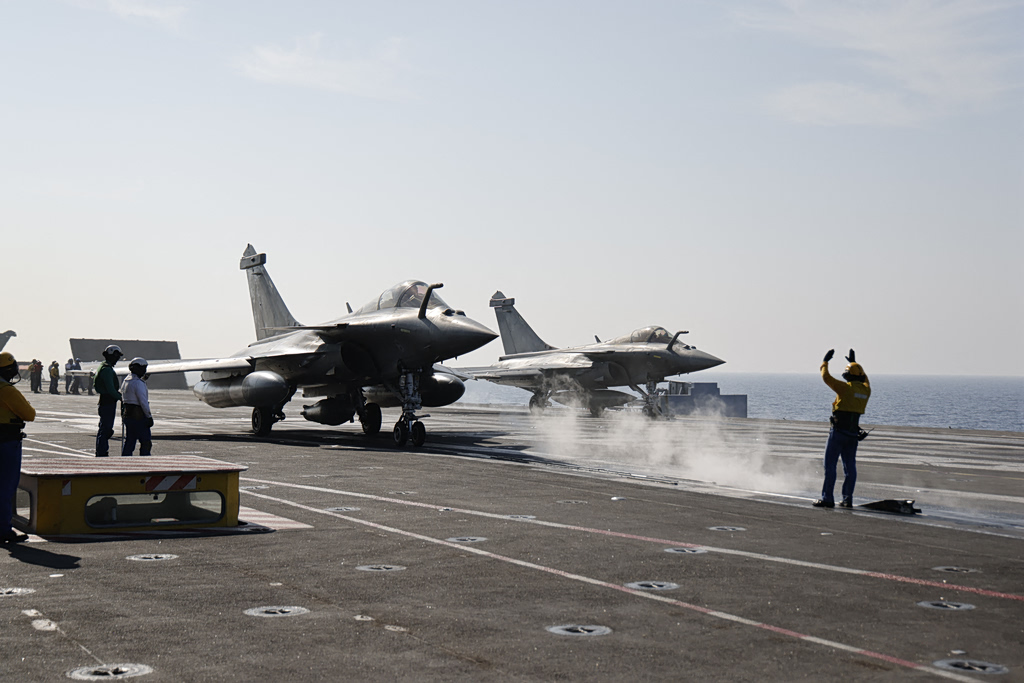
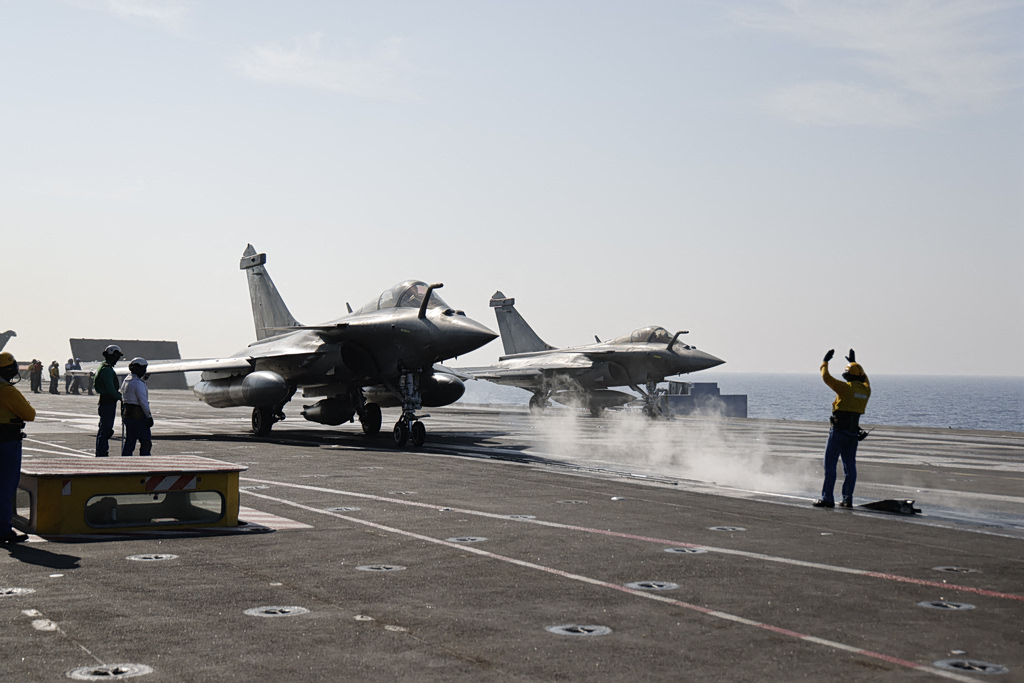
Η Ρωσική Ομοσπονδία έχει εξαπολύσει μια σκληρή προειδοποίηση προς τις χώρες που εξετάζουν το ενδεχόμενο να φιλοξενήσουν πυρηνικά όπλα της Γαλλίας. Σύμφωνα με κυβερνητικές δηλώσεις, τέτοιες κινήσεις θα αντιμετωπιστούν ως άμεση απειλή και οι εν λόγω χώρες θα βρεθούν στο επίκεντρο δυνητικών αντιποίνων. Η δήλωση αυτή έρχεται σε συνέχεια των πρόσφατων αναφορών του Γάλλου Προέδρου Εμανουέλ Μακρόν, ο οποίος αποκάλυψε ότι το Παρίσι διεξάγει συζητήσεις με διάφορες ευρωπαϊκές χώρες, συμπεριλαμβανομένης της Ελλάδας, σχετικά με τη δυνατότητα ανάπτυξης γαλλικών πυρηνικών κεφαλών στην επικράτειά τους. Οι διαπραγματεύσεις φέρονται να περιλαμβάνουν επίσης τη Μεγάλη Βρετανία, τη Γερμανία, την Πολωνία, την Ολλανδία, το Βέλγιο, τη Σουηδία και τη Δανία, εφτά χώρες που, μαζί με την Ελλάδα, θα μπορούσαν να γίνουν μέρος μιας ευρύτερης πυρηνικής στρατηγικής της Γαλλίας στην Ευρώπη, αυξάνοντας ταυτόχρονα τις γεωπολιτικές εντάσεις.
Η ρωσική αντίδραση είναι σαφής και κατηγορηματική: οποιαδήποτε χώρα προχωρήσει σε συμφωνία για τη φιλοξενία γαλλικών πυρηνικών όπλων θα θεωρηθεί από τη Μόσχα ως άμεσος στόχος. Το μήνυμα της Ρωσίας υποδηλώνει την πρόθεση να λάβει όλα τα απαραίτητα μέτρα για την αντιμετώπιση αυτών που θεωρεί ως υπαρξιακές απειλές για την εθνική της ασφάλεια. Η προειδοποίηση αυτή φέρνει την Ελλάδα, μαζί με τις υπόλοιπες χώρες που περιλαμβάνονται στις συζητήσεις, σε μια κρίσιμη θέση, καθιστώντας την μέρος μιας ευρύτερης στρατηγικής κλιμάκωσης που θα μπορούσε να έχει απρόβλεπτες συνέπειες στην ήπειρο. Η θέση της Ελλάδας, ειδικότερα, είναι ευαίσθητη, δεδομένης της γεωγραφικής της θέσης και των ήδη υφιστάμενων γεωπολιτικών προκλήσεων. The President of France, Emmanuel Macron, has stated that Paris is engaged in discussions with several European nations regarding the potential deployment of French nuclear weapons on their soil.
This initiative, if realized, would significantly alter the European security landscape and has drawn a sharp rebuke from Moscow. The countries involved in these sensitive negotiations, as revealed by President Macron, include the United Kingdom, Germany, Poland, the Netherlands, Belgium, Sweden, Denmark, and notably, Greece. This expansion of France’s nuclear deterrence strategy beyond its own borders is seen by Russia as a provocative move that escalates regional tensions. The Kremlin has issued a stern warning, implying that nations agreeing to host these weapons will be regarded as legitimate targets, raising the stakes considerably in the current geopolitical climate and placing these European states in a precarious position. The implications of such a development for regional stability are profound. The Russian Federation’s explicit declaration of intent to target countries facilitating the stationing of French nuclear assets underscores the seriousness with which Moscow views this potential redistribution of nuclear capabilities.
This stance signals a heightened state of alert and a readiness to employ countermeasures should these perceived threats materialize. The Greek government, by being included in these discussions, finds itself at a critical juncture, potentially becoming a frontline state in a renewed period of nuclear readiness and strategic tension within Europe. The geopolitical ramifications for the wider Mediterranean region and the entire continent are significant, inviting further scrutiny and international concern over the escalating security environment.